
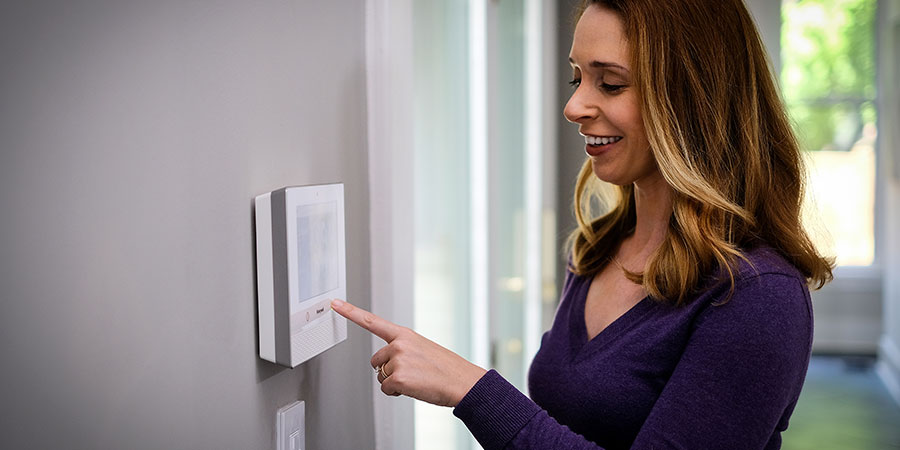
Most security systems have two options: self-monitoring through an app, or professional monitoring through a central station. If you've ever wondered what the difference is—or why monitored systems cost more—here's what you need to know.
Central station monitoring means a UL-listed facility watches your alarm system 24/7 and dispatches police, fire, or medical help when an alarm triggers.
Instead of relying on you to see a phone alert and call 911, a trained operator receives the signal within seconds, verifies what’s happening, and follows strict protocols to get the right responders on the way.
That difference matters when you’re asleep, on a plane, in a meeting, or simply away from your phone.
Self-monitoring can work if you’re almost always available and mainly care about reviewing camera clips after the fact.
But for most Los Angeles homes and virtually all commercial properties, central station monitoring dramatically improves response times, reduces losses, and provides coverage you can’t realistically deliver on your own.
In the rest of this article, you’ll see how monitoring works behind the scenes, when self-monitoring is enough, and how to decide which option makes sense for your property.
Why Professional Monitoring Matters
Unmonitored systems rely entirely on you noticing the alert and taking action. If your phone dies, you're out of cell service, or you're asleep, nothing happens. With central station monitoring, someone is always paying attention.
Research by Dr. Simon Hakim at Temple University found that alarmed homes are significantly less likely to experience burglary compared to unmonitored systems. For commercial properties, the difference is even more dramatic—businesses without alarm systems face a burglary risk over four times higher than those with monitored alarms.
The reason is simple: criminals know the difference. Monitoring stickers and yard signs tell them that breaking in triggers an immediate police response, not just a notification that might go unnoticed for hours.
Faster Response When Seconds Count
Fire alarms are where monitoring becomes critical. Smoke detectors connected to a central station can trigger a fire department dispatch within 60 seconds of activation. Without monitoring, your detector just sounds a local alarm—and if no one's home, it keeps beeping until the fire department happens to see smoke from the street.
We've seen this firsthand with commercial clients in Glendale and Pasadena. A warehouse fire that's caught early might cause $5,000 in damage. Wait until neighbors notice flames through the windows, and you're looking at total loss.
Medical emergencies work the same way. A panic button connected to professional monitoring means help is dispatched immediately, even if you're unable to speak. Self-monitored systems require you to manually call 911—which isn't always possible if you've fallen or experienced a medical crisis.
What Central Station Operators Actually Do
When your alarm triggers, here's what happens behind the scenes:
The signal reaches the central station within seconds. An operator pulls up your account, which includes your property layout, emergency contacts, and any special instructions (like "dog on premises" or "warehouse has hydrogen storage").
If it's an intrusion alarm, they'll attempt to verify the alert by calling your primary contact. No answer? They dispatch police with details about which zone triggered and when. For fire alarms, they skip the verification step entirely and send the fire department immediately.
This is why central stations must be UL-listed—they're held to strict standards for response time, equipment redundancy, and operator training. Valley Alarm uses UL-certified monitoring centers with backup power systems, redundant communication paths, and 24/7 staffing.
The Cost Question
Professional monitoring typically adds $30–$60 per month to your security system cost. For that, you get round-the-clock coverage by trained operators who know exactly how to handle Los Angeles County's public safety dispatch protocols.
Compare that to self-monitoring, where you're responsible for noticing alerts, verifying them, and calling 911 yourself. If you travel frequently, work night shifts, or manage multiple properties, central station monitoring essentially functions as a security team that never clocks out.
We've had clients in Inland Empire who initially chose self-monitoring to save money, then switched after realizing they missed critical alerts during business trips or overnight shifts. The monitoring fee started feeling less like an expense and more like cheap insurance.
When Self-Monitoring Makes Sense
Not every property needs professional monitoring. If you're home most of the time, rarely travel, and primarily want security cameras to review footage after incidents, self-monitoring can work fine.
But if you're protecting a commercial property, manage rental units, or want fire and medical emergency coverage, central station monitoring is the better option. The response time difference alone justifies the cost—especially for businesses where a delayed response can mean tens of thousands in inventory loss or property damage.
What to Look for in a Monitoring Provider
Not all central stations are equal. Ask these questions before signing a monitoring contract:
Is the facility UL-listed? This certification ensures the station meets specific standards for equipment, staffing, and response protocols.
Where is it located? Some providers use overseas call centers. U.S.-based stations are more familiar with local emergency services and dispatch procedures.
What's their average response time? Quality monitoring centers acknowledge alarms within 30 seconds and dispatch help within 60–90 seconds.
Do they offer redundant communication? Systems should support cellular backup if your internet or phone lines go down.
Valley Alarm's monitoring includes all of these—plus we've been working with LAPD, Glendale PD, and other local departments since 1981, so our operators know exactly how each jurisdiction handles alarm dispatch.
Getting Started with Monitored Security
If you already have an alarm system, adding central station monitoring is usually straightforward.
Most modern panels can be connected to a monitoring center using cellular or internet communication, so you don’t need to rewire your home or business to get 24/7 coverage.
For new installations, we design systems that combine intrusion detection, monitored smoke and heat detection, and panic buttons under a single monitoring agreement.
That approach works especially well in Los Angeles County, where many commercial properties are already required by code to have monitored fire protection and where homeowners want burglary, fire, and medical coverage in one easy-to-use system.
If you’re a homeowner and want to understand how monitoring fits into a complete alarm setup, start with our 2025 Los Angeles Home Security Guide: How to Choose the Right System.
That guide explains how sensors, cameras, smart home features, and professional monitoring work together and shows you what makes sense for typical LA homes before you talk to a salesperson.
When you’re ready for specific recommendations, visit our Smart Home Security page and request a free residential security assessment.
We’ll walk your property, look at it the way a burglar or fire inspector would, and show you exactly how central station monitoring would protect your family and your home.
If you manage a commercial property, we can do the same walkthrough with a focus on inventory, code requirements, and business interruption risk.
Our team will map out how intrusion, fire, and video verification work together under one monitoring contract so you’re not piecing together separate solutions.
Want to see how professional monitoring compares to your current setup in real numbers.
Request a consultation and we’ll walk you through response time differences, false alarm reduction strategies, and what monitoring actually costs for your property type and size.
Related Articles
Home Security Fundamentals
- How Alarm Systems Work
- False Alarm Prevention Tips
- Monitored Smoke Detectors: Why They Matter
- Home Security Systems in Los Angeles – Complete 2025 guide to choosing a monitored system for your LA home
Commercial Security

- How Remote Video Monitoring Replaces Security Guards [Save $8K/Month] - February 4, 2026
- Remote Video Monitoring FAQs (For Businesses) - December 30, 2025
- Video Guard Monitoring for Cannabis Businesses Part 2 - May 5, 2022