
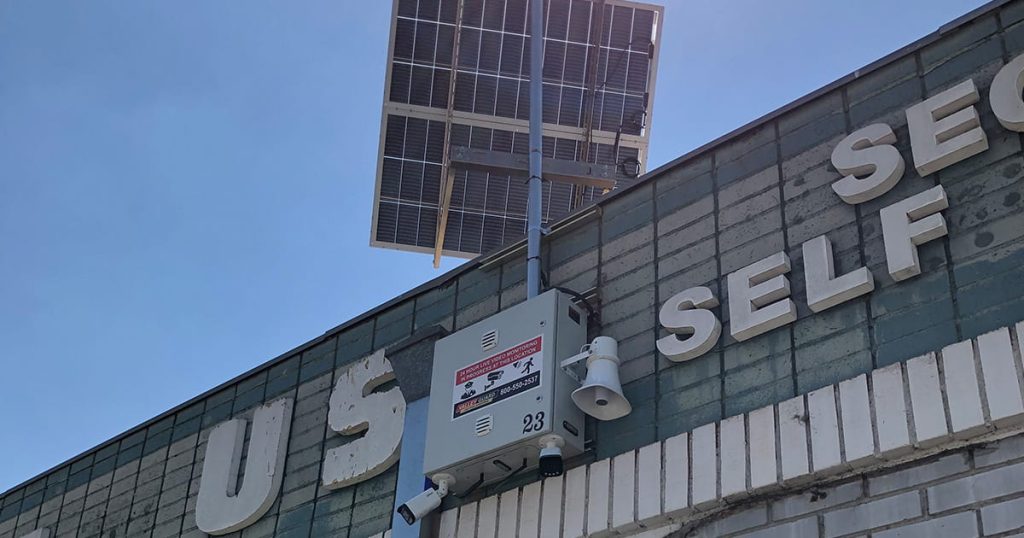
How to Protect Los Angeles Construction Sites Night and Day — Even When No One's There
Imagine this scenario: you arrive at the jobsite at 6:30 AM with coffee in hand, ready to start the day. The fence is cut. The storage container door is open. $15,000 in power tools and copper wire is gone. Again.
This is the third overnight theft in two months. Your insurance deductible is $5,000, and your carrier warned that another claim might trigger policy cancellation. The project timeline just slipped another week because you can't frame without the stolen materials.
Construction site 24/7 protection isn't optional anymore — it's survival. In Los Angeles County, only 22% of stolen construction equipment is ever recovered. Losses average $20,000-40,000 per incident...
Why Construction Sites Are Most Vulnerable After Hours
The Nighttime Pattern of Jobsite Crime
Commercial and property crimes spike when worksites are dark and unattended. Burglaries are statistically more likely between 10 PM and 4 AM when crews are gone and foot traffic is minimal. Weekends see even higher theft rates because sites remain unattended for 60-72 hours straight.
Los Angeles construction sites face organized theft rings that survey locations during business hours, identify high-value targets, and return after dark with trucks and cutting tools. They know exactly what they're looking for — copper wire, generators, power tools, heavy equipment. And they know you're not there to stop them.
This nighttime pattern isn't opportunistic. It's calculated. Thieves study guard patrol schedules, camera positions, and site access points. They strike during predictable vulnerability windows when traditional security measures are least effective.
If nothing changes, this doesn't stop. The same site gets hit again because thieves already know where the gaps are. Once a jobsite proves it's unmonitored overnight, it becomes a repeat target — not a random one.
High-Value Targets Left Exposed
Tools, heavy equipment, copper wiring, and materials are easy to steal quickly and resell. A $12,000 generator sits in an unlocked yard. Copper wire worth $8,000 per spool is stored in containers without alarms. Power tools valued at $15,000-20,000 collectively remain in job boxes thieves can cut open in under two minutes.
These assets have no overnight protection beyond basic fencing and passive cameras. The fence can be cut. The cameras only record. And by morning, your materials are already stripped and sold at scrap yards across LA County.
Heavy equipment theft follows similar patterns. Skid steers, excavators, and trailers disappear overnight because they're left in yards with minimal security. GPS tracking helps recovery, but prevention is always better than recovery that only succeeds 22% of the time.
Passive Cameras Only Capture Losses After the Fact
Traditional cameras record footage but do nothing to stop theft in progress. You review video the next morning showing exactly when thieves entered, exactly what they took, and exactly how long they spent on your property. But the equipment is still gone.
Recording creates evidence for police reports and insurance claims. It doesn't create protection. That's the fundamental failure of passive systems for construction site overnight security — they document theft instead of preventing it.
Is This Your Situation?
This article is for you if:
- You've had more than one overnight theft
- Cameras recorded the incident but didn't stop it
- Guards or patrols didn't catch the intrusion
- Insurance is pushing back on claims or threatening cancellation
- Theft is now affecting schedules, crews, and client relationships
If these match your experience, the solutions below address the specific gaps that let repeat theft occur.
Common After-Hours Problems That Push Contractors Toward 24/7 Protection
Repeated Overnight Losses That Cost Money and Time
The average loss per incident runs $20,000-40,000 when you include replacement costs, expedited shipping fees to maintain schedules, and labor downtime while crews wait for materials. Some single incidents exceed $100,000 when heavy equipment or large material deliveries are stolen.
Lost tools stall projects for days or weeks. You can't frame without nail guns. You can't wire without copper. You can't operate equipment without fuel that was siphoned overnight. Each delay cascades — missed inspection windows, contract penalties, extended overhead costs.
Repeated losses compound these impacts. After the third or fourth incident, you're not just replacing stolen items — you're managing crew morale problems, client frustration, and subcontractor delays that affect every aspect of the project.
Insurance Claims and Rising Premiums
Frequent theft claims trigger higher insurance costs or policy cancellation. Builders risk insurance and general liability policies include theft coverage, but carriers review claim frequency when determining renewal premiums. Two to three claims in a single policy period can increase premiums by 25-40%.
Some carriers deny coverage entirely after excessive claims, forcing you to find new insurance at much higher rates or accept limited coverage with higher deductibles. The $5,000-10,000 deductible per incident means you're self-funding small thefts anyway, and larger thefts still cost thousands out of pocket before insurance pays.
Insurance companies increasingly require documented security measures as a condition of coverage. If your policy requires "adequate security" and you're experiencing repeated overnight theft, carriers can deny claims by arguing you failed to meet security requirements.
Project Delays and Client Penalties
Missing materials or equipment delays schedules, which triggers financial penalties in many construction contracts. Late completion clauses often include $500-2,000 per day penalties. A week-long delay from overnight theft costs $3,500-14,000 in penalties alone — separate from theft replacement costs.
Client relationships suffer when theft causes delays. General contractors face frustrated owners. Subcontractors face delayed payment. Everyone experiences schedule compression trying to make up lost time, which increases error rates and safety risks.
Some contracts allow clients to hire alternative contractors to complete work if delays exceed specific thresholds. Overnight theft that causes major delays can literally cost you the entire job, not just individual materials.
On-Site Safety Risks from Trespassers
Unmonitored intruders don't just steal — they create safety hazards and vandalism. Trespassers leave gates open, creating fall hazards when excavation work is underway. They damage equipment while attempting theft, making tools unsafe for crews to use. They vandalize completed work out of frustration when they can't steal what they wanted.
Some trespassers are homeless individuals seeking shelter, not organized thieves. They start fires for warmth in enclosed structures, creating fire hazards. They leave behind needles and biohazard materials that put workers at risk. They sleep in equipment cabs, potentially causing damage if equipment is started without checking.
These safety risks expose you to liability beyond just theft losses. OSHA citations, worker injury claims, and third-party injury lawsuits can all stem from uncontrolled after-hours site access that constant site protection would prevent.
How to Secure a Construction Site After Hours Without Guards
The most effective way to secure a construction site after hours without guards is to combine AI-powered cameras with live remote video monitoring, where trained operators watch camera feeds in real time and issue voice warnings the moment someone enters the site.
This approach eliminates the coverage gaps, fatigue, and cost of overnight guard patrols while providing faster response times — typically under 30 seconds from detection to live intervention.
What "24/7 Protection" Really Means on a Jobsite
Beyond Cameras: Active Monitoring 24/7
The difference between passive recording and constant active protection is intervention. Active monitoring means professional operators watch live feeds from U.S.-based centers around the clock — nights, weekends, holidays. When suspicious activity is detected, operators verify and respond immediately.
This isn't a motion-triggered recording that you review later. It's real-time surveillance with human judgment determining whether activity represents a genuine threat. An operator sees someone approaching your fence at 2 AM and makes the decision: legitimate activity or intrusion attempt.
Construction site 24/7 protection means coverage never stops. When your crews leave at 5 PM Friday, monitoring continues through the entire weekend. During holiday shutdowns when sites sit empty for days, operators are still watching. Coverage gaps are where theft happens — active monitoring eliminates those gaps.
Combining Tech and Human Response
AI analytics, human operators, and live audio warnings work together to stop incidents before loss occurs. AI filters out false triggers — wind, animals, passing traffic. It flags actual human and vehicle activity for operator review. This reduces thousands of irrelevant motions to the 2-3% that represent genuine threats.
Operators review flagged activity and make real-time decisions. They see someone cutting your fence and issue immediate audio warnings through on-site speakers: "This is Valley Alarm security. You are being recorded. Leave the property immediately."
This combination stops 98% of intrusion attempts before theft occurs. The surprise of live intervention — realizing someone is watching and responding right now — causes intruders to flee immediately. They came for quick, undetected theft. Live response eliminates the "undetected" part.
Real Time Alerts That Get Action
Verified alerts reduce noise and focus on real threats, cutting response times dramatically. Instead of your phone buzzing 40 times per night with motion notifications you eventually ignore, you receive verified alerts only when operators confirm suspicious activity.
When operators do escalate, they call police with video verification of crime in progress. This gives your emergency call priority over standard alarms. Police respond faster to verified threats because they know it's real, not another false alarm.
Jobsite security monitoring with verified alerts means every notification demands action because it's already been confirmed as a genuine threat. No more alert fatigue. No more ignoring notifications. Just real threats that get real responses.
The Mindset Shift: From Reactive to Proactive Protection
What Contractors Learn the Hard Way
Most contractors start with cameras or guards after the first theft incident. They install cameras hoping visible equipment deters thieves. They hire weekend guard patrols hoping physical presence prevents intrusions. Then they experience their second or third overnight theft despite these measures.
If guards have already failed you, here’s the next step: how remote video monitoring replaces security guards (and closes the coverage gaps guards can’t eliminate)
After repeat losses total $40,000-80,000, contractors realize they need continuous monitoring that combines the visibility of cameras with the response capability of guards — but covers the entire site simultaneously instead of creating coverage gaps.
24/7 Protection as Insurance Against Downtime
Protecting assets isn't just about theft prevention — it's about keeping schedules, crews, and profits on track. When you prevent overnight theft, you maintain project timelines. When you maintain timelines, you avoid contract penalties. When you avoid penalties and delays, you preserve profit margins.
After hours construction theft prevention is essentially scheduled insurance. You're investing in preventing the delays that cost more than the stolen materials themselves. A $3,000 monthly monitoring cost prevents $20,000-40,000 in theft losses plus $5,000-15,000 in delay-related penalties.
The math is simple: prevention costs less than recovery. Especially when recovery only succeeds 22% of the time and theft creates cascading project impacts beyond just replacement costs.
The Cost of Doing Nothing
Continuing losses versus investing in proactive security breaks down clearly when you calculate six-month totals:
Reactive approach (cameras only):
- Three overnight theft incidents: $75,000 in losses
- Insurance deductibles: $15,000 out of pocket
- Project delays: 18 days total, $27,000 in contract penalties
- Increased insurance premium: $8,000 annually
- Total six-month cost: $125,000+
Proactive approach (24/7 monitoring):
- Monitoring service: $18,000 for six months
- Prevented incidents: 8-12 based on typical deterrence rates
- Theft losses: $0 (prevented)
- Project delays: 0 days
- Total six-month cost: $18,000
The cost of doing nothing is $107,000 more expensive than investing in Los Angeles construction site security that actually works. And that assumes only three incidents in six months — many sites experience monthly or weekly attempts.
Case Studies & Proof
Robert Marshall, Safety Director at Eberhard
Robert Marshall is the Safety Director for Eberhard, a roofing, waterproofing, and architectural sheet metal company. Before ValleyGuard, his team was dealing with the same mix of problems that wears contractors down fast: break-ins, burglaries, catalytic converter theft, and constant false alarms.
He reached out to Valley Alarm for a ValleyGuard proposal. The team walked the site, showed how the system works, and explained how the A.I. is trained to focus on real threats—like people—while filtering out distractions like birds and other nuisance activity. That clarity mattered, because their biggest day-to-day problem wasn’t just theft. It was alarm noise and the sleepless nights that come with it.
What changed was live intervention. When a real intrusion attempt happens, operators can use the on-site speaker to warn the person off in real time. In Robert’s words, when ValleyGuard sees someone trying to break in, “they’ll get on the speaker and scare them off.” The result: fewer theft incidents, fewer false alarms, and a safer property overall.
Robert says he’d recommend ValleyGuard to any business dealing with repeated break-ins and theft—especially if you’re tired of paying for security that still leaves gaps.
Local LA Theft Patterns That Validate the Need
Los Angeles County sees organized construction theft rings operating specifically during overnight hours. Recent incidents include:
- North Hollywood: Thieves stole $25,000 in copper wire from a multi-family construction site between 11 PM and 3 AM. Passive cameras recorded the entire incident but couldn't prevent the loss.
- San Fernando Valley: A concrete plant experienced repeated overnight equipment theft totaling $60,000 over three months before implementing 24/7 monitoring. After deployment, attempted intrusions were stopped with live audio warnings before any materials were taken.
- East Los Angeles: Construction equipment worth $150,000 was stolen overnight from a commercial site using cutting torches to defeat locks. The theft took under 20 minutes to execute.
These patterns show opportunistic thieves exploit unattended hours systematically. They know when sites are vulnerable and strike with precision timing. Constant site protection addresses this reality by eliminating the "unattended" factor that makes sites vulnerable.
See how ValleyGuard provides 24/7 monitoring that stopped overnight theft at Los Angeles jobsites.
What to Look for in 24/7 Jobsite Protection Solutions
Continuous Coverage With No Gaps
Focus on solutions that genuinely cover nights, weekends, and holidays without shifts, breaks, or schedule limitations. Human guards work 8-12 hour shifts with coverage gaps during transitions. Monitoring centers operate continuously with operators working overlapping shifts to ensure no coverage lapses.
Ask potential providers: "Who's watching my site at 3 AM on Sunday morning?" The answer should be specific — which monitoring center, how many operators, what their alert response protocol includes. Vague answers about "24/7 service" without operational details indicate potential gaps.
True continuous coverage means your site has the same protection level at 2 AM Saturday as it does at 2 PM Tuesday. No reduced staffing during overnight hours. No "on-call" monitoring where operators only watch if an alert triggers. Constant active surveillance regardless of time or day.
Rapid Deterrence and Threat Verification
Live response and verification should prioritize real signals over noise. AI should filter alerts so operators see only genuine threats, not every moth that triggers a motion sensor. When operators do see suspicious activity, their response should be immediate — under 10 seconds from detection to audio warning.
Test response speed during demonstrations. If a provider can't show you real-time intervention capability, they're offering recorded response, not live monitoring. Ask: "How fast do operators respond when someone climbs my fence?" Acceptable answer: 5-10 seconds. Unacceptable answer: "We send you a notification to review."
Verification prevents false dispatches that waste police resources and cost you false alarm fees. Operators should visually confirm threats before calling 911, providing video evidence of crime in progress that gives your call priority response.
Adaptable to Site Changes
Solutions should work as your site evolves — temporary power situations, layout changes as construction progresses, equipment and material relocations. Mobile surveillance units handle sites without power infrastructure. Solar-powered cameras operate independently of electrical systems.
As your project moves from excavation to framing to finishing, security should adapt. Cameras that covered material storage in phase one should relocate to new storage areas in phase two. Fixed infrastructure becomes obsolete when site layouts change — flexible deployment maintains protection throughout the project.
Ask providers: "What happens when we pour foundations and move to the next building phase?" The answer should include camera repositioning, coverage reassessment, and adaptable mounting options. Static solutions that can't adjust to site evolution create the coverage gaps thieves exploit.
Reporting + Documentation for Claims
Incident reports should support insurance claims and accountability. When operators detect and respond to intrusions, they should generate timestamped reports with video clips, descriptions of events, actions taken, and outcomes. This documentation proves to insurers that you had active security measures in place.
Reports also provide data for optimizing security over time. If incidents cluster at specific entry points or during particular timeframes, reports reveal these patterns. Use that intelligence to add physical barriers, adjust camera positions, or enhance lighting in high-risk areas.
Good reporting includes: date/time stamps, operator notes, video evidence, police case numbers if dispatched, and outcome documentation. Poor reporting includes: generic motion alert logs with no context or verification.
Protecting Tools and Materials on an Active Construction Site
Most construction security advice focuses on overnight and weekend protection — and that’s when the majority of major thefts happen. But on an active construction site, tools and materials are also vulnerable during the workday itself. Shift changes, lunch breaks, delivery windows, and the general chaos of a busy jobsite create gaps that opportunistic thieves exploit while your crew is on site.
The person stealing tools at 11:45 AM on a Tuesday doesn’t look like the person cutting your fence at 2 AM. They’re often dressed in work clothes. They might be a former subcontractor, a terminated employee, or someone who walked through an open gate while your crew was focused on a pour. They grab a cordless drill set, a laser level, or a bundle of copper fittings and walk off the site looking like they belong there.
Secure Storage During the Workday
Lockboxes and job boxes are the first line of defense for hand tools and small power tools on an active construction site. RIDGID, KNAACK, and Greenlee make heavy-gauge steel job boxes with puck-lock compatibility that resist bolt cutters. The key is discipline — tools go back in the box when they’re not actively in someone’s hand. Most jobsite tool theft happens because a cordless impact driver sat on a sawhorse for 20 minutes while the worker went to get fasteners.
Material staging areas should be positioned away from the perimeter fence and ideally within camera sight lines. Copper wire, brass fixtures, and other high-value materials stacked near a fence line are an invitation. Move staging closer to the center of the site where access requires walking past crews and through monitored areas.
Shift-Change and Access Protocols
Shift changes are the highest-risk window for walk-on theft during the workday. When one crew is packing up and another is arriving, the gate is open, attention is divided, and unfamiliar faces blend in. Designating one person to manage gate access during transitions reduces this risk significantly. It doesn’t have to be a guard — it can be a foreman or lead who controls who enters and exits during the 15-minute overlap.
For larger projects with multiple subcontractors, access badges or sign-in sheets create accountability. If someone is on site, there’s a record of who they are and who hired them. When a tool kit goes missing at 3 PM, the sign-in sheet narrows the window and the pool of people who had access.
Tool Tracking and Inventory Management
Bluetooth asset tags from Milwaukee (ONE-KEY) and DeWalt (Tool Connect) let you track tool locations across the jobsite in real time from your phone. If a tool leaves the geofenced site boundary, you get an alert. These systems cost $15-30 per tag and pay for themselves after preventing one theft of a $400 rotary hammer or $600 total station.
Daily tool counts at shift end catch theft early. When a crew reports a missing tool within hours, there’s still a chance to review camera footage and identify when it disappeared. When the loss isn’t discovered until the following week, the footage is overwritten and the trail is cold. Making tool inventory part of the daily close-out routine doesn’t add more than 5 minutes to the process and changes the recovery window from days to hours.
FAQs — 24/7 Construction Site Protection
What counts as 24/7 jobsite protection?
True construction site 24/7 protection means live monitoring by professional operators watching your site continuously — nights, weekends, holidays. Not motion-triggered recording you review later. Not "on-call" monitoring that only activates when alarms trigger. Actual human oversight with immediate response capability at all times. This includes AI-filtered alerts so operators focus on real threats, live audio deterrence when intrusions are detected, and video-verified police dispatch when necessary.
Why is overnight theft so common on construction sites?
Overnight hours offer thieves maximum time without detection. Sites are unattended for 12-16 hours between crew departures and arrivals. Most theft occurs between 10 PM and 4 AM when traffic is minimal and visibility is low. Thieves can spend 20-30 minutes loading materials without anyone noticing. Passive cameras don't intervene, and guards can't cover entire sites simultaneously. This combination creates the vulnerability window that constant monitoring eliminates.
Will monitoring reduce my insurance costs?
Many builders risk and liability carriers offer premium discounts for verified monitoring systems — typically 10-20% reductions. More importantly, monitoring prevents theft claims that increase premiums. Two to three claims in a policy period can raise premiums 25-40% at renewal. Preventing those claims through proactive security saves more than the discount alone. Some carriers require documented security measures as coverage conditions, making monitoring essential for maintaining policy eligibility.
How long does installation take for 24/7 protection systems?
Mobile surveillance units with solar power can deploy in 24-72 hours depending on site accessibility and power availability. These provide immediate coverage while permanent infrastructure is planned. Fixed installations with hardwired cameras and dedicated power take 5-7 days for assessment, positioning, installation, and testing. Emergency deployments after recent theft incidents can often expedite mobile unit placement to provide protection while comprehensive systems are implemented.
Stop Waking Up to Overnight Theft Losses
24/7 live monitoring means operators watch your jobsite every night, weekend, and holiday. No coverage gaps. No unattended hours. Thieves can't wait for you to leave anymore.
Stop discovering theft the morning after it happens. Get protection that intervenes when threats occur — not hours later when equipment is already gone.
Valley Alarm provides constant site protection for Los Angeles construction sites through U.S.-based monitoring centers operating 24/7/365. Get verified threat response in seconds. Receive incident reports with video evidence. Prevent theft during the vulnerable overnight and weekend hours when most losses occur.
See how live monitoring stops repeat theft at jobsites like yours. Valley Alarm's construction site remote video surveillance combines AI detection with live human response to eliminate the coverage gaps that let overnight theft occur.
Stop Waking Up to Overnight Theft Losses
24/7 live monitoring means operators watch your jobsite every night, weekend, and holiday. No coverage gaps. No unattended hours. Thieves can't wait for you to leave anymore.
Related Content

- Securing Remote Cannabis Grows in Southern California - February 27, 2026
- Your Biggest Cannabis Security Threat Isn’t the Guy with the Ski Mask - February 27, 2026
- Why LA Dispensaries Keep Getting Robbed — And What Actually Stops It - February 27, 2026